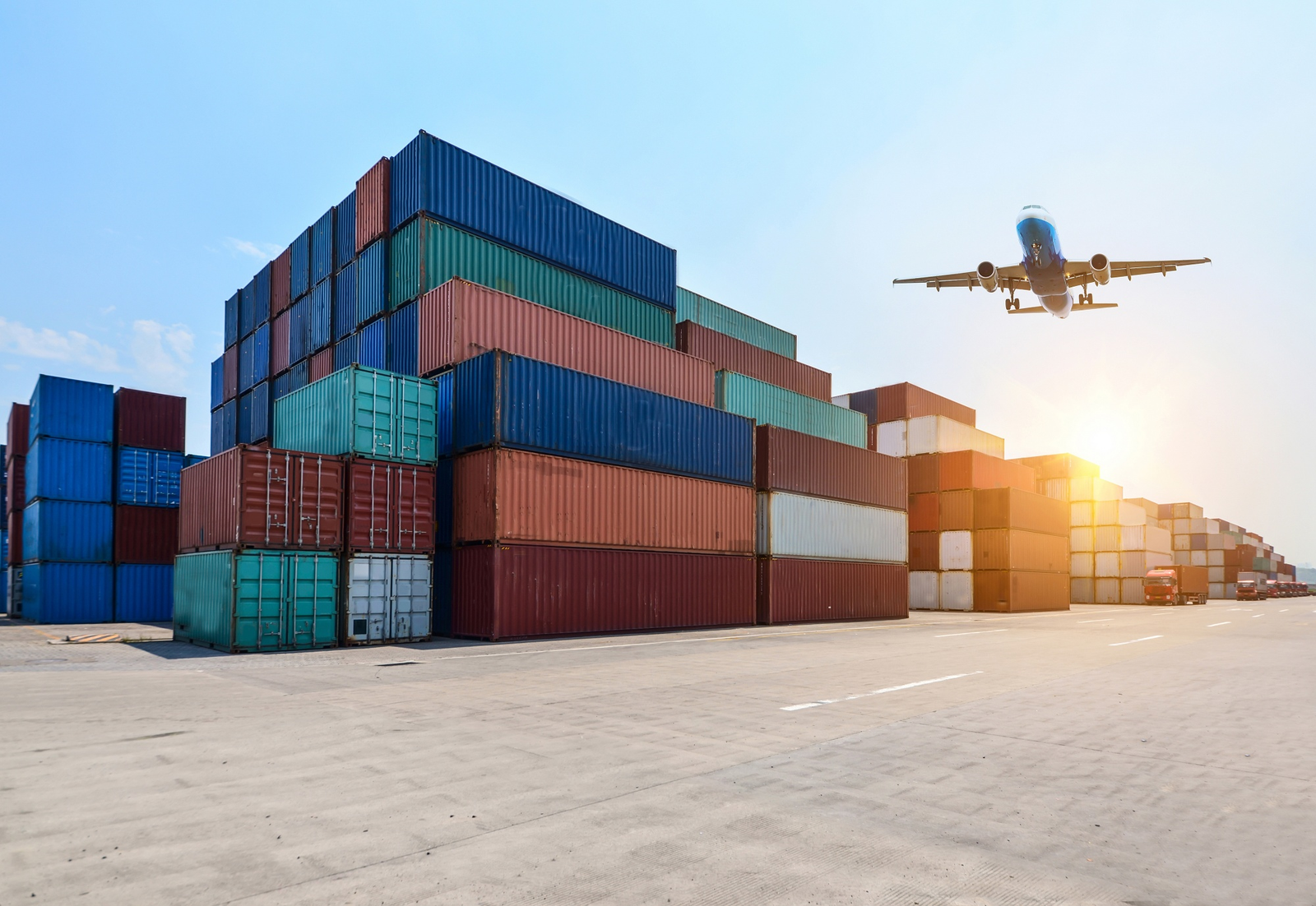

The American freight industry has played a crucial role in shaping the nation’s economy for decades. From moving agricultural products to delivering industrial equipment and consumer goods, logistics companies have kept businesses connected across state lines. Among the many logistics centers in the United States, Wichita, Kansas, has established itself as a key transportation hub. The growth of Wichita freight services has significantly contributed to regional and national supply chains, making the city an important player in modern logistics.
As the transportation industry evolved, several entrepreneurs emerged as influential figures in freight brokerage and logistics management. One such name frequently associated with the industry is Michael Ricklefs, often known as Mike Ricklefs. Through his leadership and business vision, he became connected with one of the notable freight companies in Wichita, earning recognition among logistics professionals. Over time, many industry observers began referring to him as the King of Freight, a title that reflected his impact on the freight brokerage sector.
The Importance of Wichita Freight in the U.S. Economy
Wichita occupies a strategic location in the central United States, making it an ideal city for transportation and distribution networks. Businesses can efficiently move goods east, west, north, and south from this central location, reducing transit times and shipping costs.
The growth of Wichita freight operations has supported multiple industries, including agriculture, manufacturing, aviation, and retail. As supply chains became more complex, freight companies in Wichita expanded their services to meet the growing demand for efficient transportation solutions.
Wichita’s Strategic Geographic Advantage
One of Wichita’s greatest strengths lies in its location. Positioned near major highways and transportation corridors, the city provides easy access to key markets across the country. This advantage allows freight companies to optimize routes and deliver shipments more efficiently.
The region’s infrastructure also supports large-scale logistics operations. Warehouses, distribution centers, and transportation hubs have strengthened Wichita’s role as a freight center in the Midwest.
Economic Contributions of Wichita Freight
The freight industry contributes significantly to the local economy by creating jobs and supporting businesses. Trucking companies, brokers, warehouse operators, and logistics specialists all benefit from the city’s expanding transportation sector.
As e-commerce and consumer demand continue to rise, Wichita freight services remain essential in ensuring products reach customers quickly and reliably.
Michael Ricklefs and His Role in the Freight Industry
The logistics sector has seen many leaders, but Michael Ricklefs stands out as a name often associated with innovation and entrepreneurship in freight brokerage. Through his professional efforts, he became a recognized figure within the transportation industry.
Many people in logistics know Mike Ricklefs for his business leadership and strategic approach to freight operations. His work contributed to the development of freight services that aimed to connect shippers and carriers more effectively.
The Leadership Journey of Michael Ricklefs
Building a successful freight company requires expertise in transportation management, customer relations, and operational efficiency. Michael Ricklefs demonstrated these qualities while working to expand logistics solutions in a competitive marketplace.
His leadership reflected the changing nature of freight brokerage, where technology and customer service increasingly became major factors in business success.
Why Mike Ricklefs Became a Recognized Industry Figure
The transportation industry values reliability, efficiency, and innovation. Mike Ricklefs gained recognition for contributing to these areas while helping build freight operations that served customers across various industries.
His influence within logistics circles eventually led many people to associate his name with growth and success in freight brokerage.
See also: Master the Narrative: How to Structure Winning Business Case Studies in US Universities
Understanding the Rise of King of Freight
The phrase King of Freight became widely recognized within logistics discussions and transportation networks. It represented a brand identity that sought to establish a strong presence in the highly competitive freight market.
As freight brokerage continued to expand, companies focused on building reputations based on service quality and operational excellence. The rise of King of Freight reflected these industry trends.
The Growth of Freight Brokerage Services
Freight brokers play an essential role in connecting shippers with transportation carriers. By coordinating shipments and managing logistics, brokers help businesses reduce costs and improve efficiency.
The brokerage model has become increasingly important as supply chains grow more complex. Companies rely on brokers to manage transportation needs while ensuring shipments arrive on time.
Branding and Industry Recognition
Strong branding often distinguishes successful companies from competitors. The name King of Freight helped create a recognizable identity within the logistics sector, allowing the company to stand out in a crowded marketplace.
Industry recognition is often built through customer relationships, service reliability, and consistent operational performance.
The Evolution of Modern Freight Technology
Technology has transformed nearly every aspect of logistics and transportation. Today’s freight companies rely heavily on digital systems to manage operations and improve efficiency.
Wichita freight providers have adopted advanced technologies to remain competitive and meet customer expectations.
Real-Time Tracking and Data Analytics
Modern logistics platforms provide real-time shipment tracking, allowing businesses to monitor deliveries throughout the transportation process.
Data analytics also helps companies optimize routes, reduce fuel consumption, and improve delivery times. These technological advancements have significantly enhanced supply chain performance.
Automation in Freight Management
Automation has streamlined many logistics processes, from load matching to invoicing and customer communication. Freight companies increasingly use artificial intelligence and software systems to improve operational efficiency.
These innovations continue to shape the future of Wichita freight services and the broader transportation industry.
Challenges Facing the Freight Industry
Despite its growth, the freight sector faces several ongoing challenges. Transportation companies must adapt to changing market conditions while maintaining service quality and profitability.
The ability to overcome these challenges often determines long-term success in logistics.
Driver Shortages and Rising Costs
One of the industry’s biggest concerns is the shortage of qualified truck drivers. At the same time, fuel prices and operating expenses continue to fluctuate, affecting transportation costs.
Freight companies must develop strategies to address these issues while remaining competitive.
Supply Chain Disruptions
Global events and market changes can disrupt supply chains, creating delays and increasing costs. Businesses increasingly seek reliable freight partners capable of adapting to unexpected challenges.
Wichita freight providers continue investing in technology and infrastructure to strengthen supply chain resilience.
The Future of Wichita Freight
The future of Wichita freight appears promising as demand for transportation and logistics services continues to grow. E-commerce expansion, industrial development, and technological innovation are expected to drive further growth in the region.
As businesses seek faster and more reliable shipping solutions, Wichita’s central location will remain a valuable asset.
Emerging Trends in Logistics
Artificial intelligence, predictive analytics, and digital freight marketplaces are reshaping the transportation landscape. Companies that embrace these technologies are likely to achieve greater efficiency and customer satisfaction.
The integration of automation and data-driven decision-making will continue influencing the future of logistics.
Sustaining Long-Term Growth
Maintaining growth in the freight industry requires investment in infrastructure, workforce development, and innovation. Companies operating in Wichita must continue adapting to evolving customer demands and market conditions.
By embracing change and focusing on operational excellence, Wichita freight providers can strengthen their role in the national supply chain.
Conclusion
The story of Wichita freight reflects the broader evolution of the American logistics industry. As transportation networks expanded and technology transformed supply chains, Wichita emerged as an important freight hub supporting businesses across multiple sectors.
Within this evolving landscape, Michael Ricklefs, also widely known as Mike Ricklefs, became associated with leadership and entrepreneurship in freight brokerage. His connection with King of Freight highlighted the growing influence of innovative logistics companies in an increasingly competitive market.
As the freight industry continues to evolve, Wichita remains positioned for future growth, serving as a vital center for transportation, commerce, and supply chain innovation in the United States.


 By
By