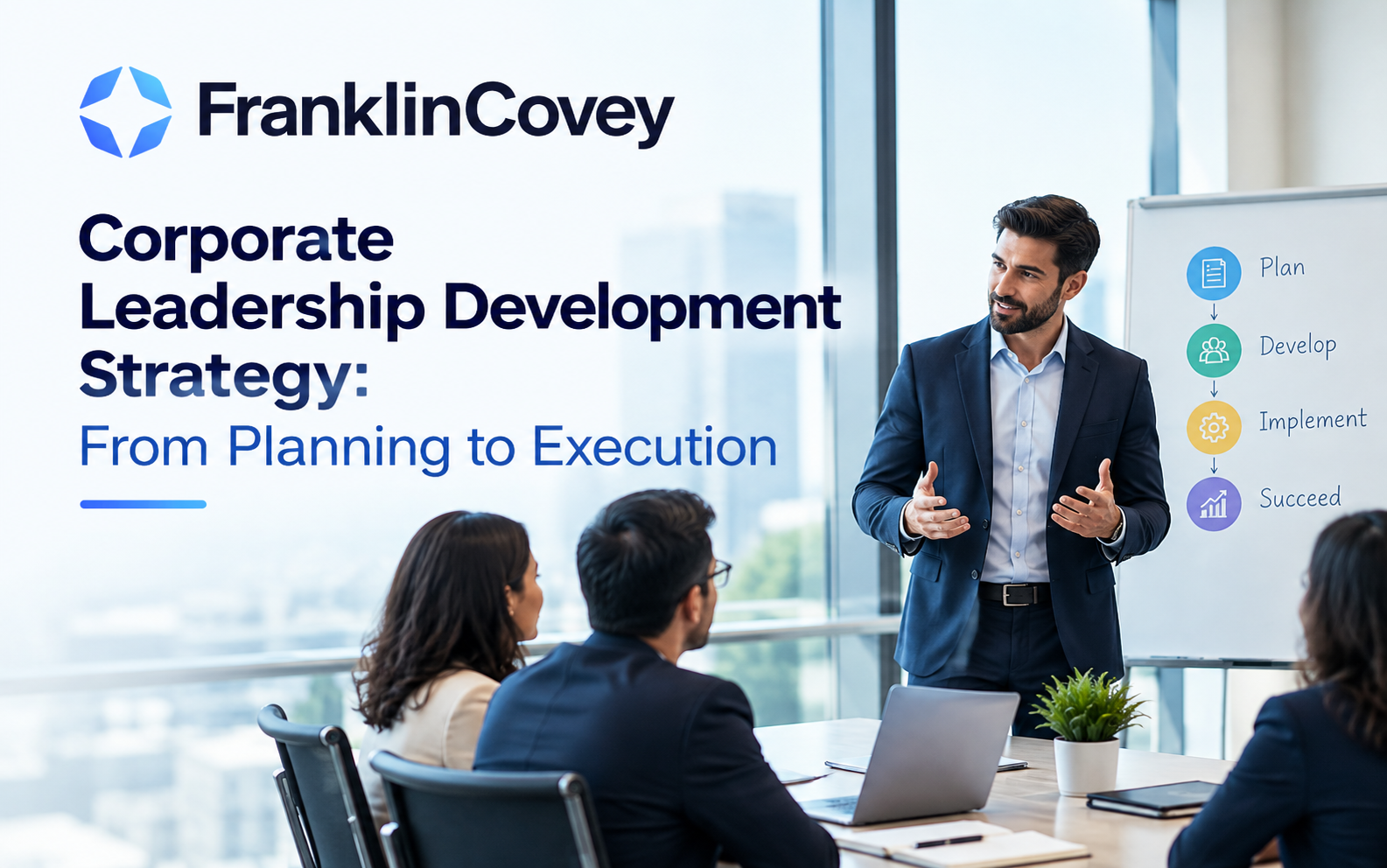

Leadership development does not happen by chance. They are built by providing clarity of priorities, meaningful ways to learn the work, feedback, and genuine leadership opportunities. Leadership development can prepare managers and future leaders for the shifting duties of businesses with more certainty.
But a training program is only useful when it links to the needs of a company in reality.
Start with a Clear Leadership Gap
So, the first step it comes to identifying what aspect of your leadership skills needs work. Different companies have different requirements − a few might require better communication skills from the managers, while some may want them to work on delegation, decision-making, or conflict management.
Start by asking:
- Which leadership skills are missing?
- What challenges do managers face?
- Which roles will require a stronger breed of leader?
- How should the fellowship program for leadership development align with business goals?
The answers can help to develop a specific plan for development.
Translate Business Goals into Learning Goals
What good leadership development need to do is ideally lend support right back to the business priorities. Growing companies may require managers with team building abilities and change management education. For retention, perhaps coaching, and communication might merit more focus.
This one link brings training closer to the actual job.
Move from Training to Practice
The best plan doesn’t stop with the finish of a workshop. Opportunities to practice at real life in-the-moment scenarios are vital for managers.
An integrated corporate leadership development strategy and execution plan can complement it with more than just training.
You might be managing a project, mentoring a team member, or practicing responding to a challenging workplace conversation.
Measure What Changes
Scores are only half the story. The research should also examine if team results and improve in leadership behavior.
Depending on a program, usefulness common measures could include the following:
- Employee engagement
- Manager performance
- Staff retention
- Team productivity
- Internal promotions
- Feedback from employees
These results can show you what elements of your program are working and what might need to be changed.
Keep the Strategy Moving
Leadership skills develop over time. The month of managers should be trained and feedback is supported frequently as a part of it.
Companies would need to reassess their development plans as business needs evolve. This shift may involve new roles, expansion, technology, and workforce changes will necessitate different leadership skills.
See also: Legal Challenges in Crypto Business
Create Leaders for the Long Haul
Coaching leaders works best if it moves from being a one-off event to an ongoing business process.
An ideal corporate leadership development strategy and implementation plan links the talent, and skills required to lead with organizational objectives, provides managers with on-the-job experience of the new skills acquired, and continuously measures progress during execution. Thus, better connecting with the present mission and setting a foundation for leaderships of generations to come.


 By