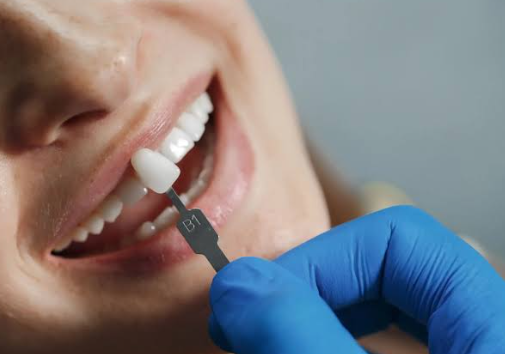

You might be feeling a mix of pride and worry every time you look in the mirror. You finally invested in whitening or veneers at a Kingston Ontario dental clinic, your smile looks brighter, and people are noticing. At the same time, there is that little voice in the back of your mind asking, “How long is this really going to last?”
Maybe you remember what you spent, or how many appointments it took, and now you are brushing a little more carefully, avoiding certain foods, and wondering if one wrong move will ruin everything. You are not being dramatic. Cosmetic work is a real investment of time, money, and emotion.
Here is the short version of what you need to know. Beautiful cosmetic results do not stand alone. They sit on top of your everyday habits. Preventive dentistry is what protects your whitening and veneers, keeps them looking natural, and helps you avoid expensive repairs. When you understand how prevention works, you can keep that “new smile” feeling for many years instead of watching it fade long before it should.
Why do whitening and veneers fade or fail sooner than you expected?
It usually starts small. Your whitening looks amazing at first, then a few months later you notice coffee stains creeping back between the teeth. Or your veneers still look good, but your gums look a little puffy or red, and you start to worry that something is going wrong underneath the surface.
This is where many people feel confused. You did the “big” treatment. You brush. You try to be careful. So why does it feel like your smile is already slipping backward?
The answer is that cosmetic treatments are not magic shields. They are more like a fresh coat of paint on a house. If the foundation underneath is weak, or the environment is harsh and unchecked, even the best paint will chip, crack, or stain far sooner than it should.
Common challenges that shorten the life of whitening and veneers include:
- Staining foods and drinks, like coffee, tea, red wine, and cola
- Smoking or vaping, which can quickly discolor teeth and edges of veneers
- Grinding or clenching, which can chip veneers and wear edges
- Dry mouth or sugary snacks, which feed cavity-causing bacteria
- Skipping cleanings, so plaque hardens into tartar along the gumline
So where does that leave you? It can feel like you are walking on eggshells, trying to protect a smile that was supposed to give you confidence, not extra stress. This is exactly where preventive dentistry changes the story.
How does preventive dentistry quietly protect your cosmetic work?
Think of preventive dental care for veneers and whitening as the support system your smile needs behind the scenes. It is not flashy, and it is not dramatic, but it is what keeps things from slowly falling apart.
Preventive dentistry includes the basics you have heard for years, like brushing, flossing, and regular cleanings. It also includes more tailored care, like fluoride for cavity prevention, custom night guards for grinding, and early treatment when the dentist spots small problems before they become big ones.
Here is why it matters so much for whitening and veneers.
- For whitening. Every mouth has a natural tendency to pick up stains again. When you keep plaque low and gums healthy, stains have fewer places to cling. Professional cleanings and guided touch up whitening help you maintain a bright smile instead of starting from scratch each time.
- For veneers. Veneers rely on the health of the tooth and gum underneath. If you develop gum disease, the gums can recede and expose the edge of the veneer. If decay sneaks in, the veneer may need to be removed and replaced. Prevention keeps the “invisible” parts strong, so the visible part keeps looking good.
Research supports this connection. Good preventive routines with brushing, fluoride, and regular care have been shown to reduce decay and gum disease, which are the same problems that can shorten the life of cosmetic work. You can read more about how prevention protects oral health in general from the Centers for Disease Control and Prevention.
You might wonder whether all of this effort is really necessary. After all, can you not just whiten again or replace a veneer if something happens?
You could. The question is what that would cost you over the years in money, time, and comfort. That is where the financial side becomes very real.
Is prevention really cheaper than fixing whitening and veneers later?
Imagine two people who each invest in veneers or professional whitening.
The first person treats it as a “one and done” project. They go back to sipping coffee all day, skip a cleaning here and there, and only see a dentist when something hurts. Within a few years, stains return, edges chip, and gums start to recede. They end up paying for new cosmetic work on top of treating avoidable problems.
The second person treats the cosmetic work as the starting point. They commit to regular preventive visits, follow home care advice, and address small issues, like grinding, before they damage the veneers. Their smile still looks great many years later, and they are paying for maintenance instead of major repairs.
To make this easier to picture, here is a simple comparison.
| Approach | Short Term | Long Term Impact on Whitening & Veneers | Typical Costs Over Time* |
|---|---|---|---|
| Minimal prevention | Less time spent on checkups | More staining, chips, gum recession, earlier replacement | Higher. Repeated whitening, veneer repairs or replacements |
| Consistent preventive care | Regular cleanings and exams, home care habits | Whitening lasts longer, veneers stay stable and natural looking | Lower. Mainly maintenance visits and occasional touch ups |
*Exact figures depend on your location and specific treatment, but research consistently shows that prevention lowers the need for major dental work over time. For example, studies on long term dental care patterns have found that regular preventive care reduces the need for invasive restorative treatments, which are the same treatments that often threaten or replace cosmetic work. A recent review of oral health behaviors and costs, available through the National Institutes of Health database, supports the idea that preventive behaviors are strongly linked with better outcomes and fewer serious interventions.
So, where does that leave you today? You do not need perfection. You need a simple, realistic plan that respects the investment you already made.
Three practical steps to protect your smile investment right now
1. Set a preventive schedule and treat it like a non negotiable appointment
Most people do well with a cleaning and exam every six months. If you have a history of gum problems, your dentist may suggest every three or four months instead. The key is consistency. These visits are when hidden issues are found early, stain is removed before it sets in, and your whitening or veneers are checked for tiny cracks or rough edges.
If you have been putting off a visit, choose one date and time that truly works with your life. Put it on your calendar and commit to it the way you would a work meeting you cannot miss.
2. Upgrade your daily routine just a little, not a lot
You do not need a complicated ritual. Focus on small habits that have a big impact on the life of your cosmetic work and your overall general and cosmetic dentist results.
- Brush twice a day for two minutes with a soft toothbrush and fluoride toothpaste
- Clean between your teeth every day with floss or an interdental cleaner
- Rinse with water after coffee, tea, red wine, or dark sauces to reduce new stains
- If you grind your teeth, ask about a night guard to protect veneers from chipping
Choose one change to start this week. Once it feels normal, add another. Gradual change is far more sustainable than trying to overhaul everything overnight.
3. Have an honest conversation with your dentist about your cosmetic goals
Preventive care works best when it is tailored to your mouth and your habits. Share what you eat and drink, how you feel about your smile, and what worries you about keeping it looking good. A good dental team will not judge you. They will help you choose a personalized plan that respects both your goals and your budget.
Ask specific questions, such as:
- How often should I have professional cleanings to protect my whitening or veneers
- Do I need special toothpaste or tools for my veneers
- What are early warning signs that something might be wrong with my cosmetic work
See also: Legal Challenges in Crypto Business
Moving forward with more confidence in your cosmetic smile
You invested in your smile for a reason. You wanted to feel more comfortable laughing, speaking, or being photographed. You deserve to keep that feeling, not watch it fade because of preventable issues.
When you make preventive dentistry for cosmetic treatments part of your normal life, whitening stays brighter, veneers last longer, and your natural teeth and gums stay healthier underneath it all. Instead of worrying that every cup of coffee or missed appointment might undo your results, you can know you are doing what you reasonably can to protect them.
You do not have to be perfect. You just need to be intentional. Start with one preventive appointment, one small habit at home, and one honest conversation with your dental team. Over time, those choices will do far more for your smile than any quick fix ever could.


 By
By