
Installing a new air conditioning system in Austin isn’t just about picking the biggest unit you can afford. With temperatures regularly climbing past 100°F during Texas summers, your AC system is one of the most important investments you’ll make for your home. Here’s what every Austin homeowner should know before scheduling an AC installation in Austin.
Why Proper Sizing Matters
One of the most common mistakes homeowners make is choosing an AC unit based on square footage alone. In reality, proper system sizing requires a Manual J load calculation—a comprehensive assessment that considers your home’s insulation, window efficiency, ductwork condition, ceiling height, and even the direction your house faces.
An oversized unit will cycle on and off too frequently, wasting energy and failing to properly dehumidify your home. An undersized unit will run constantly without ever reaching your desired temperature. Both scenarios lead to higher energy bills, uncomfortable humidity levels, and premature system failure. A professional HVAC contractor will never recommend a system without performing this critical calculation first.
See also: Financial Innovation Through Technology
Energy Efficiency Ratings and Austin’s Climate
When shopping for a new AC system, pay close attention to the SEER (Seasonal Energy Efficiency Ratio) rating. Modern systems range from 13 SEER (minimum standard) to 20+ SEER for high-efficiency models. Given Austin’s extended cooling season that often runs from March through November, investing in a higher SEER rating can significantly reduce your monthly utility costs.
Look for ENERGY STAR certified systems, which meet strict efficiency guidelines set by the EPA. Many Austin homeowners also qualify for local utility rebates when upgrading to high-efficiency equipment. Over the 15-year lifespan of a typical system, the energy savings from a higher SEER unit can offset much of the initial price difference.
Signs It’s Time to Replace vs. Repair
How do you know when it’s time for a new system rather than another repair? Consider replacement if:
- Your system is more than 10-15 years old
- Repair costs exceed 50% of a new system’s price
- Your energy bills have increased significantly year over year
- Your home has persistent hot and cold spots
- The system uses R-22 refrigerant, which is being phased out and becoming expensive
- You’ve needed multiple repairs in the past two years
What to Expect During Professional Installation
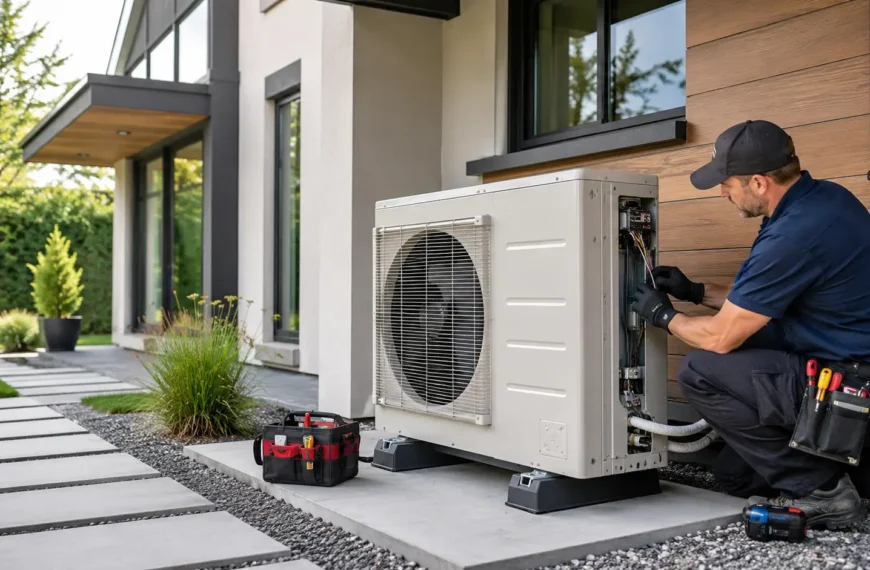
A professional AC installation in Austin should take one to two days for a standard replacement. The process includes carefully removing the old equipment, inspecting and sealing ductwork, installing the new indoor evaporator coil and outdoor condenser unit, charging the system with refrigerant, and testing the entire system for proper operation.
Reputable contractors will also perform static pressure testing to ensure your ductwork can handle the new system’s airflow requirements. This step is often skipped by less thorough installers but is critical for long-term performance and efficiency. Proper duct sealing alone can improve system efficiency by up to 20 percent.
Financing and Warranty Considerations
A new AC system represents a significant investment, but most homeowners don’t need to pay the full amount upfront. Many HVAC contractors offer financing options with competitive rates and flexible terms. Be sure to ask about available promotions, manufacturer rebates, and utility incentive programs that can reduce your out-of-pocket costs.
Warranty coverage varies significantly between manufacturers and contractors. Look for systems with at least a 10-year parts warranty and consider extended labor coverage for peace of mind. A strong warranty reflects the manufacturer’s confidence in their product and can save you thousands in unexpected repair costs.
Choosing the Right HVAC Contractor
Not all HVAC contractors are created equal. Look for companies with NATE-certified technicians, proper Texas state licensing and insurance, and strong local reviews from verified customers. Factory-authorized dealers for major brands like Bryant have met rigorous training, installation quality, and customer service standards.
Ask potential contractors about their installation process, warranty coverage, and whether they perform Manual J load calculations before recommending equipment. A detailed, written estimate should include equipment specifications, labor costs, permit fees, and a clear project timeline. Avoid contractors who provide quotes over the phone without inspecting your home first.
Conclusion
Investing in a new AC system is a significant decision for any Austin homeowner. By understanding proper sizing, efficiency ratings, financing options, and the installation process, you can make an informed choice that keeps your home comfortable and your energy bills manageable for years to come. Take time to research contractors, compare quotes, and ask questions—your comfort during those scorching Texas summers depends on it.


 By
By