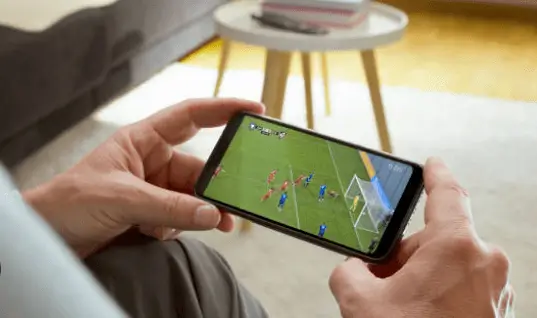

A busy day changes how people use their phones. A person may answer work messages, check traffic, read a short article, order food, and open a quick game during the same few minutes. The phone feels ready because it has been in hand all day. Still, fast pages can expose small device problems very quickly. A delayed tap, frozen screen, weak connection, or crowded browser can turn a short break into another thing to fix. Quick entertainment works best when the phone is clean enough to keep up.
A rushed phone makes quick screens feel worse
Between a late notification and another open tab, the crash duelx crash game page needs the browser, connection, and device memory to behave at once. That can be hard on a phone already carrying maps, video apps, chats, delivery alerts, and old downloads. The screen may look light, but it still needs working space for cache, page data, and quick response.
Many people refresh the same page several times when something feels slow. That can make the moment more annoying. A calmer first move is checking the phone itself. Close the apps that are still running. Clear one or two heavy tabs. Switch from weak Wi-Fi to mobile data if the signal feels fake. A quick game should not become a whole troubleshooting session, but a few basic checks can save the break.
The busy day problem starts in the background
Phones rarely get messy all at once. The problem builds quietly. A few screenshots stay in the gallery. A video downloads twice. A browser tab stays open from last week. A battery-saving mode turns on at twenty percent and never gets noticed. By evening, the phone still works for messages, but quicker pages can start acting strangely.
That is why rushed users often blame the wrong thing. The page appears to freeze, but the phone may be short on memory. The button reacts late, but the network may be dragging. A page reloads strangely, but the browser may be holding old cached data. The visible problem is on the screen. The cause may be buried in settings, storage, or the connection.
What to check before tapping again
A short break should stay short. These checks help keep the phone from wasting time when a fast page acts odd:
- Close video, map, and shopping apps left open in the background.
- Test Wi-Fi and mobile data before refreshing again.
- Remove old downloads and duplicate media files.
- Open the page in a fresh browser tab.
- Turn off strict battery saver during active use.
- Clear browser cache if the same screen keeps failing.
These steps are simple, but they cut through the usual guessing. If mobile data works and Wi-Fi does not, the network was part of the issue. If a fresh tab works better than an old one, the browser was probably carrying stale data. If everything improves after a restart, the phone needed a reset more than the page needed blame.
A delayed tap is a warning sign
A late button is easy to misread. It feels as if the page ignored the user, so the natural reaction is tapping again. That can create more confusion. The browser may still be waiting for the network. The phone may be low on available memory. The page may be processing the first tap while the second one arrives. A short pause gives the screen time to respond. If nothing changes, reload once and check the connection before tapping the same spot again.
Notifications can steal the whole break
Busy phones are full of interruptions. A message banner can cover the action area. A delivery alert can hide a result. A work email can pull the user out of the moment. None of these interruptions feels huge alone, but together they make quick pages harder to follow.
Quiet mode can help during short sessions. Hidden previews are also useful on shared phones or in public places. The phone should still allow calls or urgent family messages, but shopping alerts, social updates, and random prompts can wait. A cleaner notification setup makes the screen feel less jumpy. It also protects private account messages from appearing where someone nearby can see them.
Privacy belongs with performance
Speed is not the only thing that matters. Fast pages may still involve accounts, saved details, or private activity. A screen lock should be active. Saved passwords should not sit on a shared device. Public Wi-Fi may be fine for reading articles, but private account actions deserve a trusted connection.
Shared phones need extra care. A family member can tap a saved page by accident. A child can open a notification without knowing what it means. A guest can notice a lock-screen preview while the phone sits on a table. Hiding previews, using safer passwords, and logging out after use can prevent awkward problems. These habits also help with email, wallets, shopping apps, and cloud storage.
A quick break should stay easy
Fast browser games reveal how much the phone brings into every session. Storage, browser tabs, network quality, battery settings, alerts, and privacy choices all affect the screen. A newer device helps, but an organized older phone can still feel more reliable than a cluttered one.
A busy day already asks the phone to handle too much. Quick entertainment should not add another layer of stress. When the connection is steady, tabs are cleaner, alerts are quieter, and storage has room to breathe, the page gets a fair chance to work. The user gets a short break that feels like a break, not another small tech problem.


 By
By