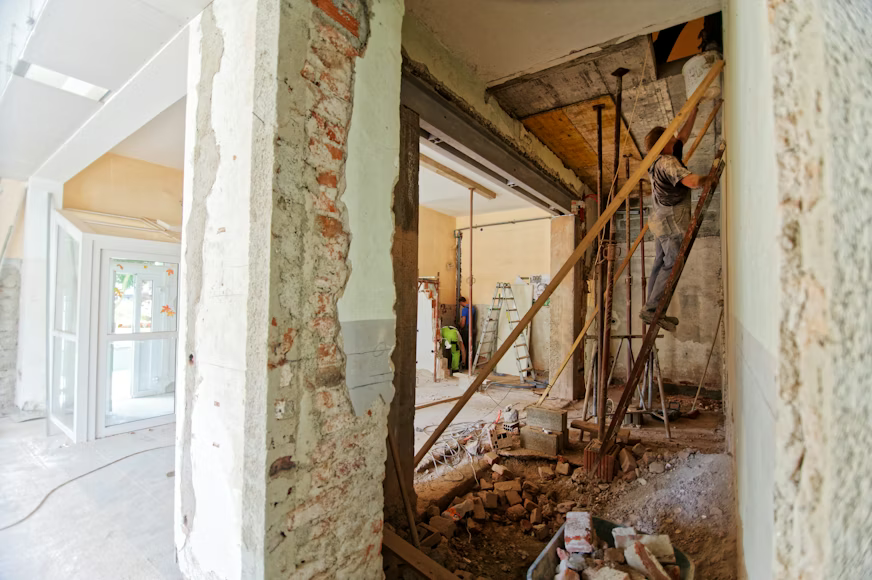

A kitchen renovation is rarely about the kitchen alone. The room sets the tone for the whole house. Buyers walk through it before they decide if they want anything else. Owners spend more time there than in any other space outside the bedroom. Get the kitchen right and the house feels different, even if you change nothing else. Get it wrong and no amount of fresh paint elsewhere makes up for it.
Before you commit to a plan, take time to research. Expecting The Best gathers practical pieces on home renovations, lifestyle decisions, and everyday choices that affect long-term comfort and resale appeal. Read a few articles on the topic before you finalize a layout or a finish. The blog isn’t trying to sell you anything, which makes it useful when you want a level-headed second opinion. Buying decisions in a kitchen tend to be permanent, so a slow start pays off.
Build Around How People Use Kitchens Now
Older kitchens were planned around three appliances and a single cook. Today most households want a kitchen that handles more than meal prep. Homework happens at the island. Working from home pulls people to the counter with a laptop. Friends collect near the stove during dinner parties. The room needs to handle traffic, not just cooking.
That changes the planning. Wider aisles and power outlets on the island for laptops and chargers. A coffee station with its own spot so it doesn’t clutter the main counter run. These small calls make the kitchen feel modern years after the trendy finishes have moved on.
Pick Materials That Won’t Date Quickly
Bold trends tempt you in showrooms. They get harder to live with after five years. Two-tone cabinets, with deeper colors on lower runs paired with neutral uppers, tend to age more gracefully than the all-grey or all-white kitchens that everyone copied a few years back. Wood tones are coming back, especially walnut and white oak, because they soften the harder lines of modern design.
For countertops, white quartz with mild veining stays clean-looking without going generic. Pure white slabs show every coffee ring. Heavily veined slabs start to feel busy in a small kitchen. Aim for a middle ground that reads calm but has some character. The same logic applies to flooring. Wide-plank engineered wood or large-format porcelain tile in a soft tone wears well and matches a wide range of design choices later.
Spend Where Buyers Look Closely
If resale is on your mind, focus your money on what buyers touch and look at during a viewing. Cabinets, the sink, the faucet, the range, and the lighting over the island. Those are the spots people remember.
Cheap hardware ruins the feel of nice cabinets. A flimsy faucet undoes a beautiful counter. Buyers can tell when a kitchen was built down to a price. The cumulative impression of small details either says cared-for or says corner-cut. Spend a little more on the items you touch every day. Save money on things buyers rarely inspect, like the inside of the toe-kick or the brand of the dishwasher (within reason).
Make the Lighting Plan a Real Plan
Modern kitchens need at least three lighting zones. Ambient light from the ceiling covers general visibility. Add task lighting under the cabinets for the work surfaces. Then layer accent or pendant light over the island or the dining area. Put dimmers on each zone. That setup costs a few hundred extra during the build but it shifts the room’s feel from morning to evening without any other change.
Skip the trendy oversized pendants if you don’t have the ceiling height for them. They look great in showrooms with double-height ceilings and turn into eyesores in a standard nine-foot room. Scale matters more than style.
See also: Why Luxury Living Rooms Furniture Needs More Than a Pretty Sofa
Storage That Resells Itself
A buyer opens a few drawers during a viewing. They check the pantry. They glance under the sink. What they see in those moments tells them how the kitchen functions in daily life. Pull-out drawers in the base cabinets, deep drawers for pots, a pantry with adjustable shelving, and a thoughtful corner solution like a blind corner pull-out or a Lazy Susan all signal a kitchen that has been thought through.
Open shelving looks great in photos. In real life, it collects dust and forces you to keep your dishes display-ready at all times. Use it sparingly, in spots where it adds character without becoming a chore.
Don’t Forget Ventilation and Outlets
Two things get ignored until they become problems. A weak hood vent leaves cooking smells in soft furnishings across the house for days. Buyers and houseguests notice. Pay for a hood that actually moves air to the outside, not a recirculating model that filters and returns the same air.
Outlets are the other quiet upgrade. Add more than you think you need. Pop-up versions on the island, USB outlets near the coffee zone, and a dedicated circuit for an espresso machine or microwave-drawer combo make the kitchen feel current without spending much. Future owners notice the absence more than the presence.


 By
By